

Indoor Rock Climbing vs Bouldering – What’s the Difference?
If you’ve ever looked up indoor rock climbing, or bouldering, you’ve probably wondered – aren’t they the same thing?
The short answer is no.
While both are forms of climbing and involve solving routes on an artificial climbing wall, indoor rock climbing and bouldering offer very different experiences. They differ in wall height, equipment, climbing style, and the skills they emphasize.
Whether you’re planning your first visit to a climbing gym or simply curious about the sport, understanding these differences will help you choose the experience that’s right for you.
What Is Indoor Rock Climbing?
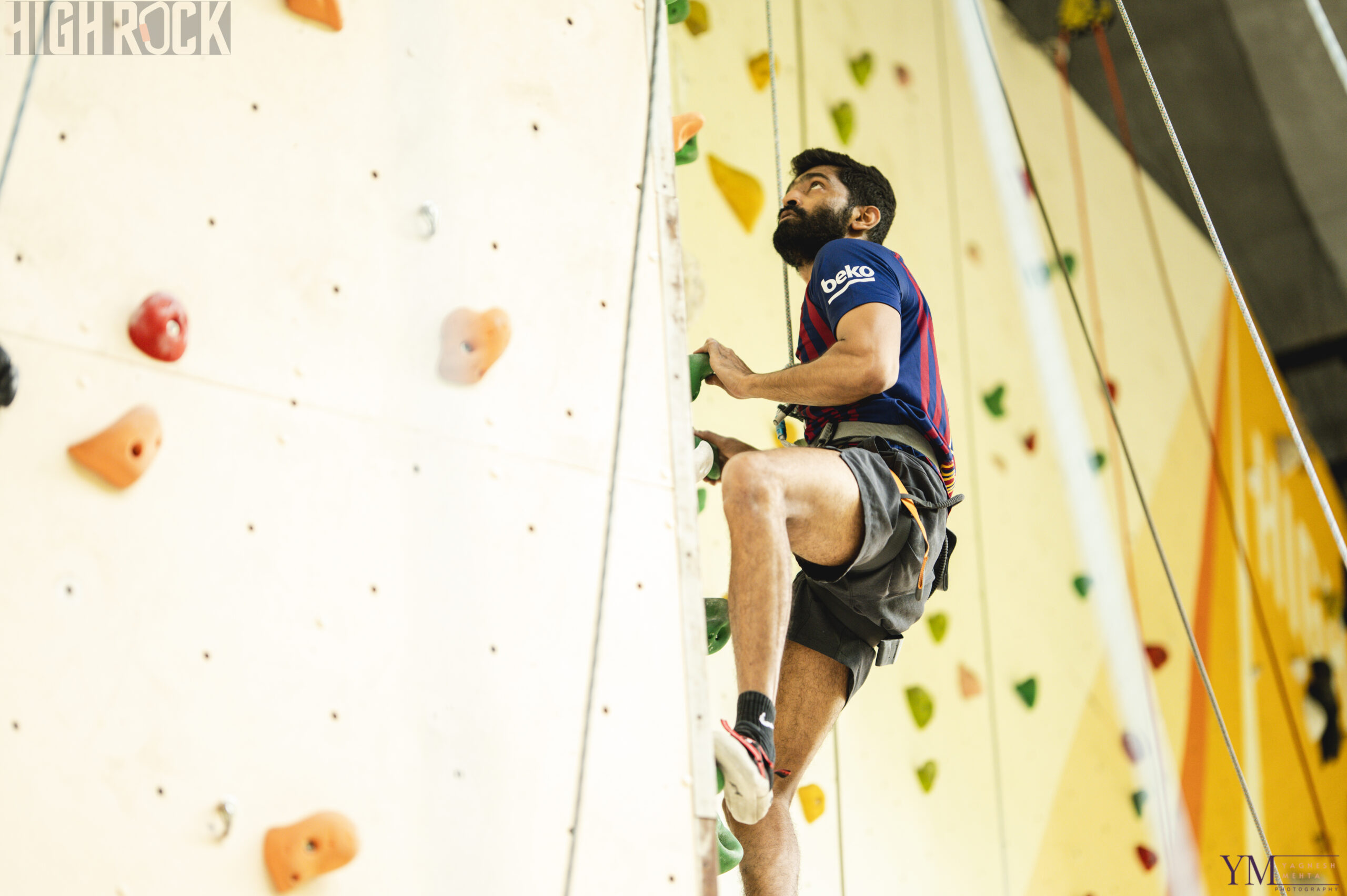
Indoor rock climbing involves climbing taller walls while wearing a harness connected to a rope.
Depending on the gym, you’ll either be secured by another climber (top rope climbing) or by an auto belay – an automatic safety device that gently lowers you back to the ground after your climb.
Unlike outdoor rock climbing, indoor climbing gyms use color-coded holds to create climbing routes of varying difficulty, making it easy for beginners and experienced climbers alike to find suitable challenges.
Indoor climbing focuses on:
- Technique over strength
- Balance and coordination
- Footwork
- Route reading
- Endurance
- Problem-solving
One of the biggest misconceptions is that climbing is all about upper-body strength. In reality, experienced climbers rely far more on their legs, balance, and efficient movement than on pulling with their arms.
What Is Bouldering?
Bouldering is another form of climbing, but instead of climbing high walls with ropes, climbers tackle shorter routes on walls that are typically around 4 to 5 metres tall.
Because climbers stay closer to the ground, they climb without ropes or harnesses, with thick crash mats placed underneath for protection.
Bouldering routes – often called “problems” – are usually shorter but more physically intense. They often require explosive movement, creative problem-solving, and powerful body positioning.
Many climbers enjoy bouldering because:
- Sessions are fast-paced
- Routes are short
- Equipment requirements are minimal
- Every route presents a new puzzle to solve
Indoor Rock Climbing vs Bouldering – What’s the Difference?
Indoor Rock Climbing | Bouldering |
Uses ropes and harnesses | No ropes or harnesses |
Taller climbing walls | Shorter climbing walls |
Auto belays or belayers ensure safety | Thick crash mats for protection |
Longer climbs requiring endurance | Short, powerful climbs |
Great for beginners and families | Great for problem-solving and strength |
Focus on sustained movement | Focus on explosive movement |
Although both disciplines involve climbing, the experience feels very different.
Is One Better Than the Other?
Not necessarily.
The best option depends on what you’re looking for.
If you enjoy endurance, learning movement techniques, and climbing taller walls with the security of ropes, indoor rock climbing may be a better fit.
If you enjoy short, powerful challenges and solving movement puzzles, bouldering may appeal more to you.
Many experienced climbers enjoy both because the skills complement one another.
Is Indoor Rock Climbing Safe?
This is one of the most common questions first-time climbers ask.
The answer is yes.
Indoor climbing gyms follow strict safety procedures, and beginners are introduced to climbing through instructor briefings and safety equipment before they start.
Modern climbing gyms use professionally maintained equipment, including:
- Auto belays
- Harnesses
- Certified ropes
- Climbing shoes
- Safety checks before every session
As with any sport, following instructions and using the equipment correctly is essential.
Do You Need to Be Strong to Start Climbing?
Absolutely not.
Many first-time climbers assume they need to build strength before visiting a climbing gym.
In reality, climbing helps you build strength as you progress.
Most beginner routes are designed to teach movement, balance, and confidence rather than test raw power.
People of all fitness levels can start climbing, and improvements often come surprisingly quickly.
Which Is Better for Beginners?
Both indoor rock climbing and bouldering are beginner-friendly.
However, many first-time visitors appreciate indoor rock climbing because the rope system allows them to focus on movement without worrying about jumping off the wall.
The controlled descent provided by an auto belay also helps many beginners feel more comfortable climbing higher than they expected.
Ultimately, the best climbing style is the one that makes you excited to come back.
Looking for bouldering in Mumbai? High Rock in Powai is a rope-climbing arena with walls up to 33 ft and 3 auto-belays; we don’t have a bouldering wall. See how rope climbing compares, or read our guide to rock climbing in Mumbai.
Leave a Reply