

Indoor vs Outdoor Climbing: Why One Prepares You for the Other
For many climbers, outdoor climbing feels like the end goal. Real rock. Open skies. Natural movement on a cliff face. It’s often seen as the “next level” of the sport.
But what many people don’t realise is that almost every outdoor climber starts the same way – indoors.
Indoor and outdoor climbing aren’t opposites. They’re deeply connected. One prepares you for the other; building skills, confidence, and awareness that translate directly from wall to rock.
What Indoor Climbing Teaches You
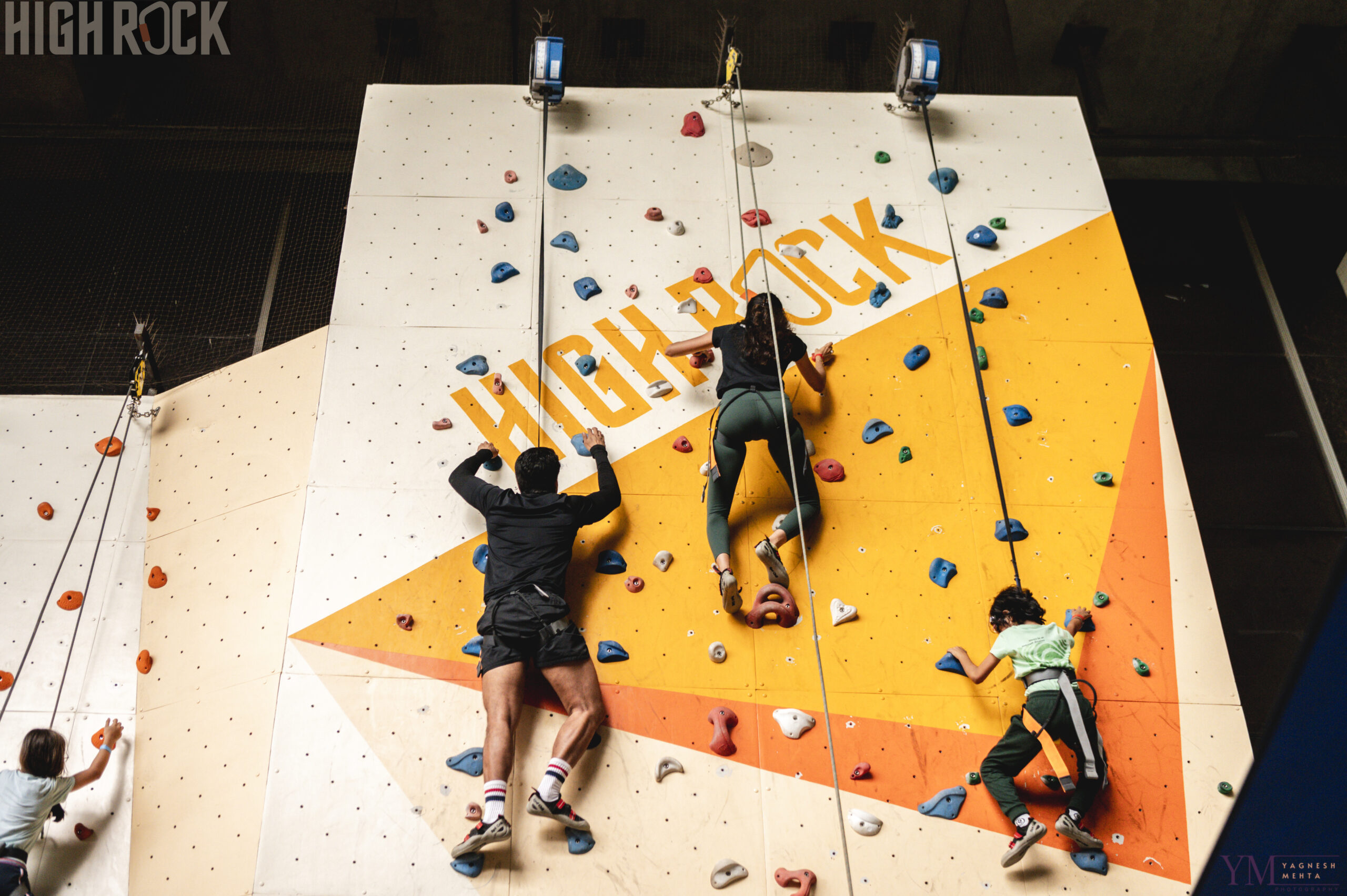
Indoor climbing offers something that outdoor environments can’t: structure.
At an indoor climbing gym, routes are intentionally designed to help you learn specific skills in a controlled, predictable setting. This makes it the ideal place to build a strong foundation.
Indoor climbing helps you develop:
- Proper technique and efficient footwork
- The ability to read routes and plan your movement
- Confidence with height and controlled falling
- Awareness of pacing, rest, and recovery
Because the environment is consistent, you’re able to focus on how you climb, not just whether you make it to the top. You learn what works, what doesn’t, and how small adjustments can make a big difference.
These lessons are key when you take your climb outdoors. When nature hits you with unpredictable variables on your climb, the foundation built while indoor climbing can make or break your success outdoors.
The Difference When You Go Outside
Outdoor climbing introduces variables that can’t be controlled or predicted.
Unlike a gym wall, natural rock doesn’t follow colour-coded routes or clear sequences. Every climb requires more observation, decision-making, and adaptability.
Outdoor climbing brings challenges like:
- Uneven and unpredictable rock textures
- Changing weather and environmental conditions
- Route-finding without obvious visual cues
- Greater mental and emotional demand
This is where indoor training shows its value. The strength, balance, and problem-solving skills developed indoors help climbers stay composed and adaptable outside. The confidence built on a wall allows you to trust your movement when conditions are less familiar.
Indoor climbing trains your body. Outdoor climbing tests your awareness.
How Indoor Skills Translate Outdoors
Footwork learned indoors helps you find stability on natural holds. Route-reading skills help you identify sequences on unmarked rock. Controlled breathing and pacing prevent fatigue on longer climbs.
Perhaps most importantly, indoor climbing teaches you how to stay calm when something feels difficult. That mindset carries over powerfully outdoors, where uncertainty is part of the experience.
The wall teaches control. The rock takes an exam on what you learnt.
From Wall to Rock at High Rock
At High Rock, we don’t view indoor and outdoor climbing as separate experiences. We see them as part of the same journey.
Indoor climbing builds the foundation. Outdoor climbing expands it.
That’s why we plan outdoor treks and climbing experiences – not as replacements for gym climbing, but as natural progressions. These experiences allow climbers to apply what they’ve learned indoors in a new environment, at their own pace.
Whether you’re climbing inside or stepping onto real rock for the first time, each experience adds depth to the other.
Leave a Reply