

Indoor Rock Climbing Myths – Busted
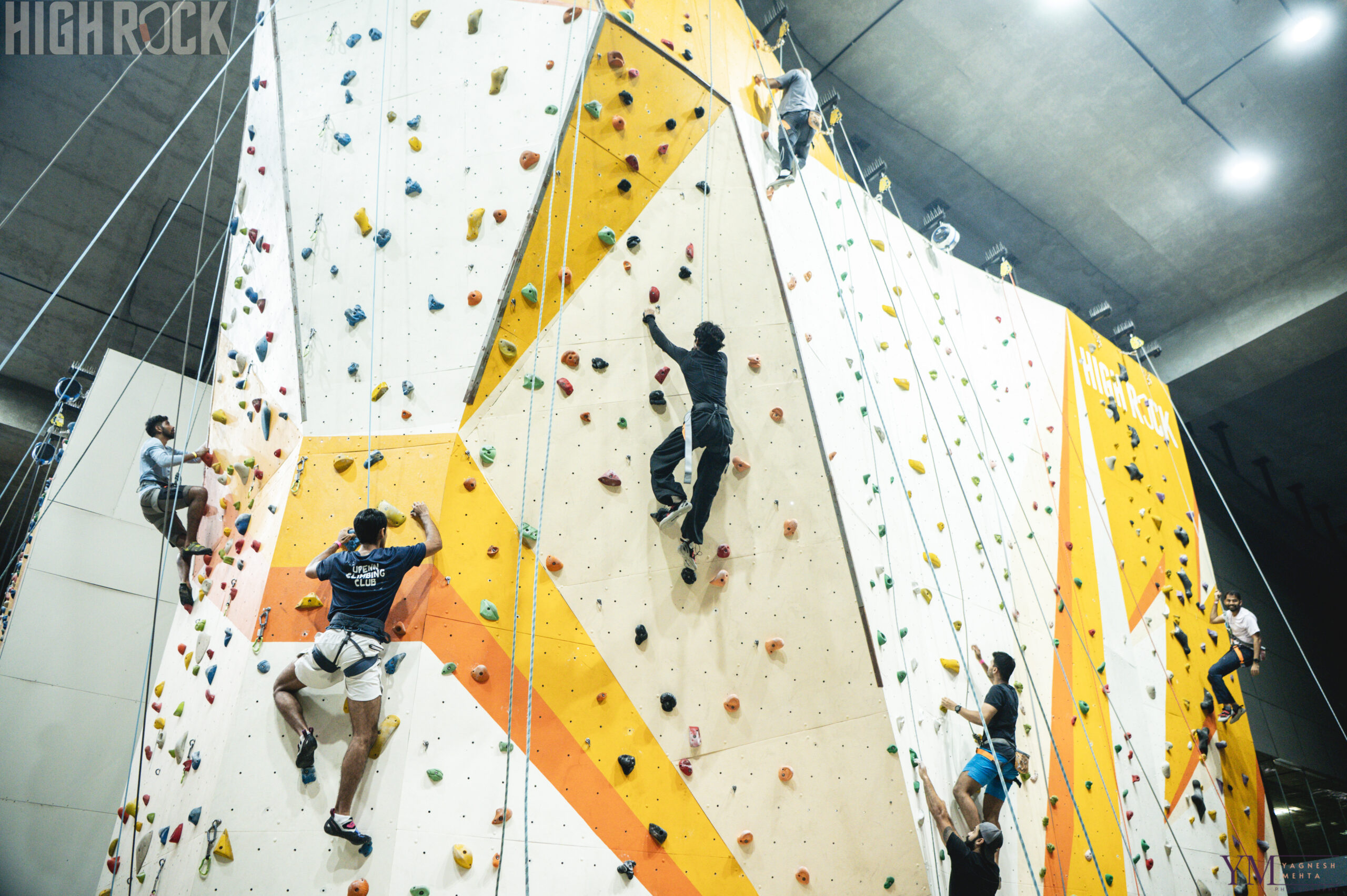
From the outside, indoor rock climbing can feel intimidating. Steep walls, chalky hands, and climbers moving with quiet confidence often make people assume they’re not fit enough, strong enough, or simply not meant for it.
But the reality of indoor rock climbing – especially for beginners – is very different from what most people expect. Let’s break down some of the most common myths that stop people from trying climbing, and why they aren’t true.
Myth 1: You Need to Be Very Fit to Start
You don’t. Indoor rock climbing doesn’t demand fitness; it is designed to build it. Beginner routes are set with that accessibility in mind. They focus on balance, coordination, and simple movement rather than strength or endurance.
Many first-time climbers are surprised by how approachable their first climb feels. You’re encouraged to move at your own pace, take breaks, and try again without pressure.
You don’t need to “get fit” before you begin; climbing meets you exactly where you are.
Myth 2: It’s All About Upper-Body Strength
This is one of the biggest misconceptions about rock climbing.
In reality, climbing is a full-body activity that relies heavily on legs, core strength, and body positioning. Strong climbers use their legs to push upward and their core to stay balanced. Arms help guide movement and maintain stability – they seldom do all the work.
As you climb more, you naturally learn how to move efficiently instead of forcefully. Good technique often matters more than raw strength. In climbing, smart movement beats muscle more often than you think.
Myth 3: Indoor Rock Climbing Is Dangerous for Beginners
Indoor climbing gyms are built with safety as a priority.
From padded flooring and professionally maintained walls to clearly graded routes and trained instructors, everything is designed to support beginners. Before you climb higher routes, you’re taught how to land safely, how to move with control, and how to use equipment correctly.
Unlike outdoor climbing, indoor environments offer controlled conditions that make learning safer and more predictable.
It may look extreme – but it’s carefully designed with safety in mind.
Myth 4: Climbing Is a Solo Sport
While only one person climbs a route at a time, climbing is rarely a solo experience.
You’ll hear encouragement from the floor, share tips between attempts, and celebrate each other’s progress – even with people you just met.
The climbing gym naturally creates conversation. People talk about routes, movements, and small victories. Over time, strangers turn into familiar faces, and sessions turn into shared experiences.
Climbing builds community as much as it builds strength.
Myth 5: One Session Is Enough to Understand Climbing
Your first session introduces you to the wall – but climbing reveals itself over time.
Every route is a new puzzle that challenges your movement, balance, and mindset. As you return, your body adapts, and your confidence grows. What felt impossible one week often feels achievable the next.
That visible sense of progression is what keeps climbers coming back.
Climbing doesn’t get repetitive – it evolves as you do.
Leave a Reply