

Who Is Indoor Climbing Really For? A Guide to Experiencing High Rock
Indoor climbing has a reputation problem. Say the word “climbing” and most people picture someone lean, fearless, and probably already halfway up a mountain somewhere. It’s an image that keeps a lot of people from ever trying it – which is a shame, because it’s one of the more misleading first impressions of the activity.
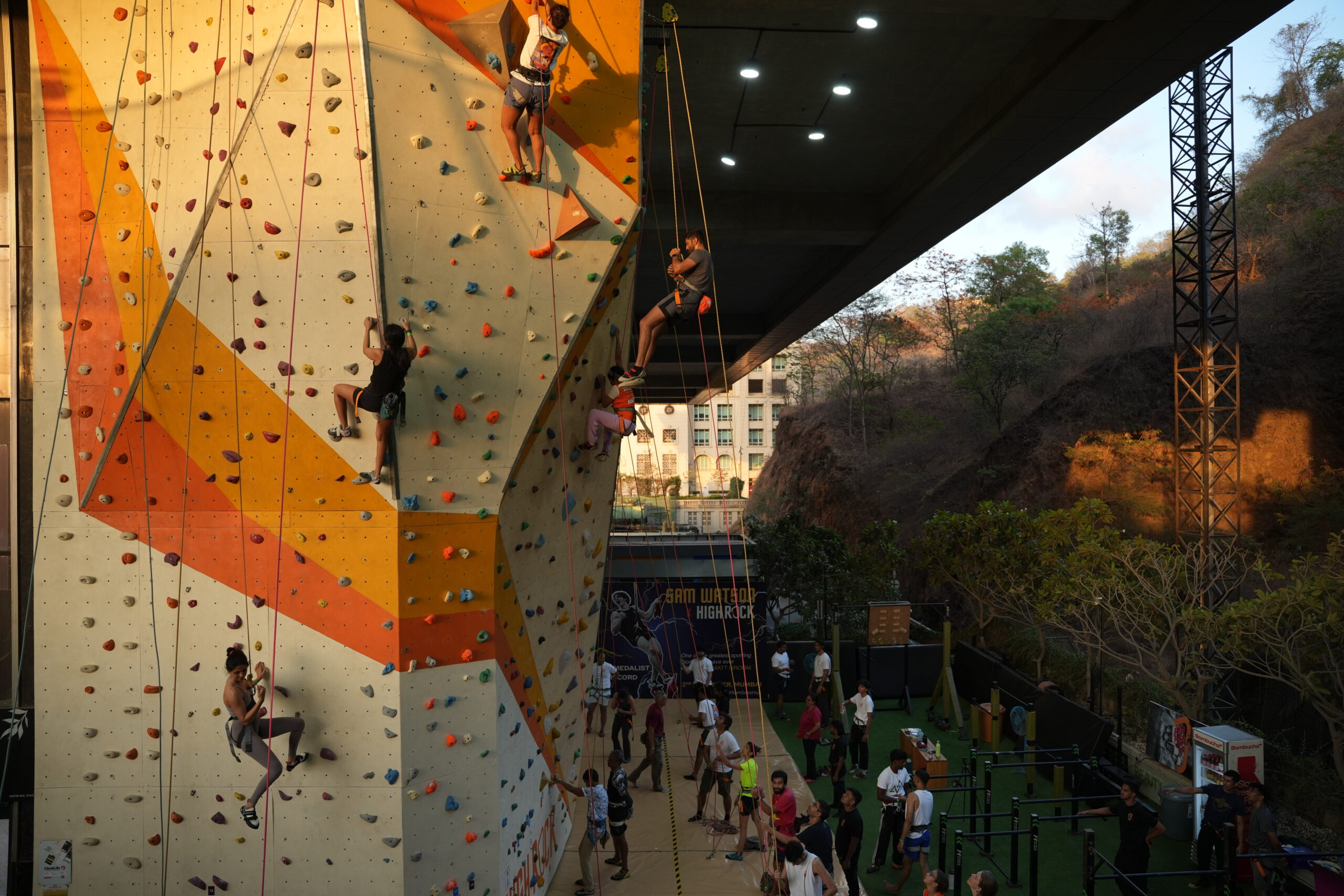
At High Rock, an indoor climbing space in Powai, Mumbai, the people on the wall on any given day look nothing like that stereotype. There are first-timers who’ve never climbed before. There are people who wouldn’t call themselves “sporty” at all. There are kids, couples on a weekend outing, solo visitors who wanted to try something different, and experienced climbers working their way up harder routes.
The wall doesn’t really care which of those you are. This guide walks through each of those groups honestly, so that by the end you have a clearer sense of where you’d fit in – rather than guessing from the outside.
What a Visit to High Rock Actually Involves
Before getting into who it’s for, it helps to know what you’re actually signing up for.
High Rock’s climbing walls are 30 feet tall, with routes graded from 4A to 8A, giving beginners a clear starting point while leaving room for experienced climbers to progress.
A typical session runs about two hours, which includes time to get oriented, attempt a few climbs, rest, and try again. If you’ve never climbed before, you’ll get a safety briefing and support from the team before you’re on the wall, so you’re not figuring everything out on your own.
There’s room to try a route, take a breather, watch someone else attempt it, and then go back and try again with a slightly different approach. Not getting a route on the first attempt is completely normal.
You Don’t Have to Be Fit or Athletic to Start
This is probably the biggest misconception. Climbing does use your body, but not in the way many people expect.
It’s not simply about brute strength. You need to figure out where to place your hands and feet, shift your weight, and pace yourself.
A lot of first-timers are surprised by how much climbing feels like solving a physical puzzle. You don’t need to be able to do pull-ups or run 5Ks to get something out of your first session. The lower-graded routes give beginners somewhere to start.
What Your Body Actually Does on the Wall
If you’re picturing yourself hauling your entire bodyweight up with your arms, that’s not really how climbing works once you start learning the movement. Good technique involves using your legs, positioning your body well, and finding efficient ways to move between holds. It is physical, certainly, and you may feel muscles you don’t usually use after your first session. But the activity isn’t simply about being strong enough to pull yourself up.
If You’ve Never Climbed Before
Zero climbing experience is not a barrier here – it’s common. Many people who walk in have never climbed before, and the space is built around that reality. You’ll be briefed on the basics, shown how the equipment works, and given guidance as you go. The idea isn’t to throw you at the hardest route and see what happens. It’s to let you start with a route that matches your experience and build from there.
What Happens Before You Climb
Every first-time visitor goes through a safety briefing before getting on the wall. This is where the team explains how the equipment works, what to expect, and answers questions. From there, it’s about choosing a route that matches your comfort level, rather than being pushed toward anything harder than you’re ready for.
If You’re Looking for a New Activity, Not Necessarily “Fitness”
Not everyone who tries climbing is looking for a workout. Some people are simply tired of the usual weekend routine and want to do something different without committing to a whole new hobby. Climbing works well for this because a single two-hour session is a complete experience in itself. You don’t need to own climbing equipment or have prior training to start.
There’s also something to be said for an activity that requires your attention in the moment. For the duration of a climb, you’re focused on the wall, your movement and your next hold rather than what’s happening on your phone.
If You’re a Regular Gym-Goer or Fitness Enthusiast
If you already work out regularly, climbing will feel familiar in some ways and completely different in others. It involves grip strength, coordination, body positioning and core engagement in ways that traditional gym routines may not. For people who lift or run regularly, it can be a different physical challenge and a way to build a new movement skill. Don’t be surprised if your existing fitness doesn’t translate directly, though. Climbing-specific grip and movement take time to develop.
If You’re Coming Alone, With a Friend, or as a Couple
High Rock works whether you’re showing up by yourself or with company. Three routes use auto-belay systems, which means solo climbers can use those routes without needing a partner to manually belay them. If you’re coming with a friend or partner, you can take turns, encourage each other, or try different routes at your own level.
If You’re Coming With Family or Kids
High Rock is also an option for families, with children who have completed 6 years of age able to climb. Kids don’t need prior climbing experience, and the same beginner-friendly approach applies to them.
If You’re an Experienced Climber
If you already climb, whether outdoors or at other gyms, the higher-graded routes up to 8A give you routes to work toward. The range from 4A to 8A means the space can accommodate different experience levels within the same visit.
So, Who Is It Really For?
Honestly – a wide range of people. The minimum age at High Rock is 6 years, and climbers need to weigh above 20 kg. Beyond those requirements, there isn’t a particular fitness level or previous climbing background you need to have. The common thread is curiosity. If you’ve ever looked at a climbing wall and wondered what it would feel like to get to the top, that’s a good enough reason to give it a try. Technique, strength and confidence can develop with time on the wall.
Leave a Reply